We’re refreshing our website so you might notice some changes as they go live, but everything you need is still here.

/ Applications

MACSA APPLICATION

Renowned for its outstanding impact resistance, polycarbonate stands out as a material capable of withstanding impact without easily breaking or chipping. This makes it an excellent choice for applications in optics, automotive, and even glassware.

Marking on lenses is important for providing essential information about the product's features and performance, as well as for complying with industry regulations and standards.

MACSA SOLUTION

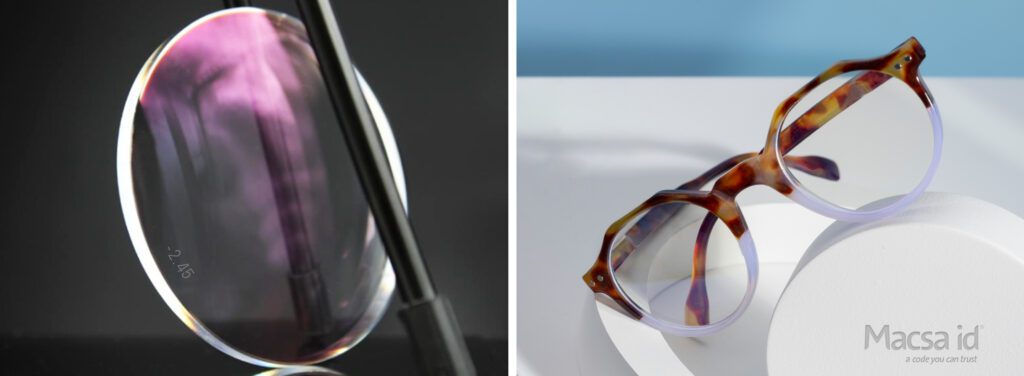
In this case we used a Macsa CO2 laser to mark on eyeglass lenses. Notably, the peculiarity of this marking is its invisibility to the naked eye, only becoming legible when light is applied from behind. This type of application is especially useful in scenarios where internal coding is necessary for product traceability, without the consumer being aware of the marking.

Being a non-contact process, laser marking on polycarbonate lenses ensures the material's integrity, avoiding deterioration and the generation of dust particles that would require cleaning afterwards. The reaction of the CO2 laser with polycarbonate produces high-quality, high-definition, precise markings, allowing for customisation as well as the flexibility to change the marking data.
  Laser marking on lenses

TECHNICAL DATA

Laser: SPA2


Market: Medical devices


Material: Polycarbonate


Product: Spectacle lens


Application Type: Marking


  Do you want to know more about the advantages of laser marking on lenses?
CONTACT US

Marcaje láser sobre gafas Laser marking on lenses

MACSA APPLICATION

Renowned for its outstanding impact resistance, polycarbonate stands out as a material capable of withstanding impact without easily breaking or chipping. This makes it an excellent choice for applications in optics, automotive, and even glassware.

Marking on lenses is important for providing essential information about the product's features and performance, as well as for complying with industry regulations and standards.

MACSA SOLUTION

In this case we used a Macsa CO2 laser to mark on eyeglass lenses. Notably, the peculiarity of this marking is its invisibility to the naked eye, only becoming legible when light is applied from behind. This type of application is especially useful in scenarios where internal coding is necessary for product traceability, without the consumer being aware of the marking.

Being a non-contact process, laser marking on polycarbonate lenses ensures the material's integrity, avoiding deterioration and the generation of dust particles that would require cleaning afterwards. The reaction of the CO2 laser with polycarbonate produces high-quality, high-definition, precise markings, allowing for customisation as well as the flexibility to change the marking data.

Laser marking on lenses

TECHNICAL DATA

Laser:  SPA2


Market:  Medical devices


Material:  Polycarbonate


Product:  Spectacle lens


Application Type:  Marking


Do you want to know more about the advantages of laser marking on lenses?
CONTACT US


MACSA APPLICATION

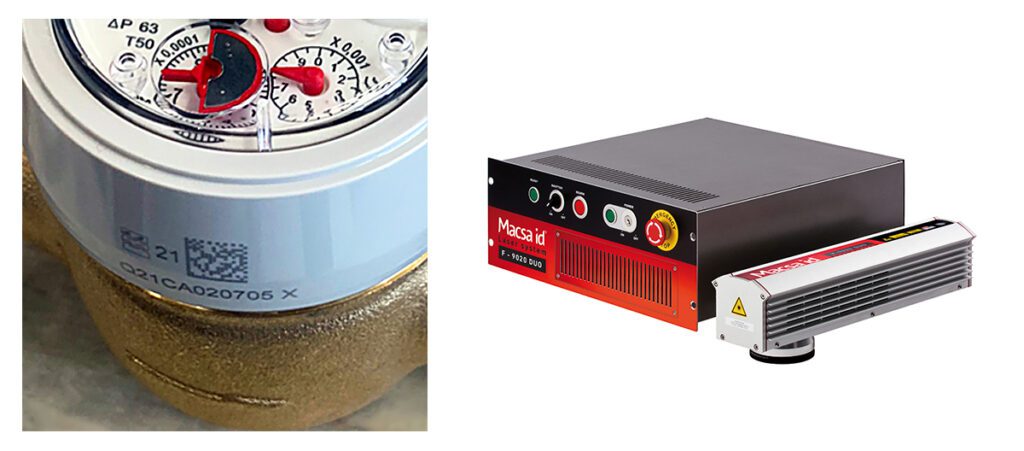
In the hydraulic sector, all types of meters and measuring devices, whether they are smart or traditional, require essential information on their top cover. This information is crucial for obtaining approval for use in drinking water systems, and it must be both legible and wear-resistant to ensure user safety. Laser marking on polycarbonate guarantees internal and external traceability in a sustainable way.

MACSA SOLUTION

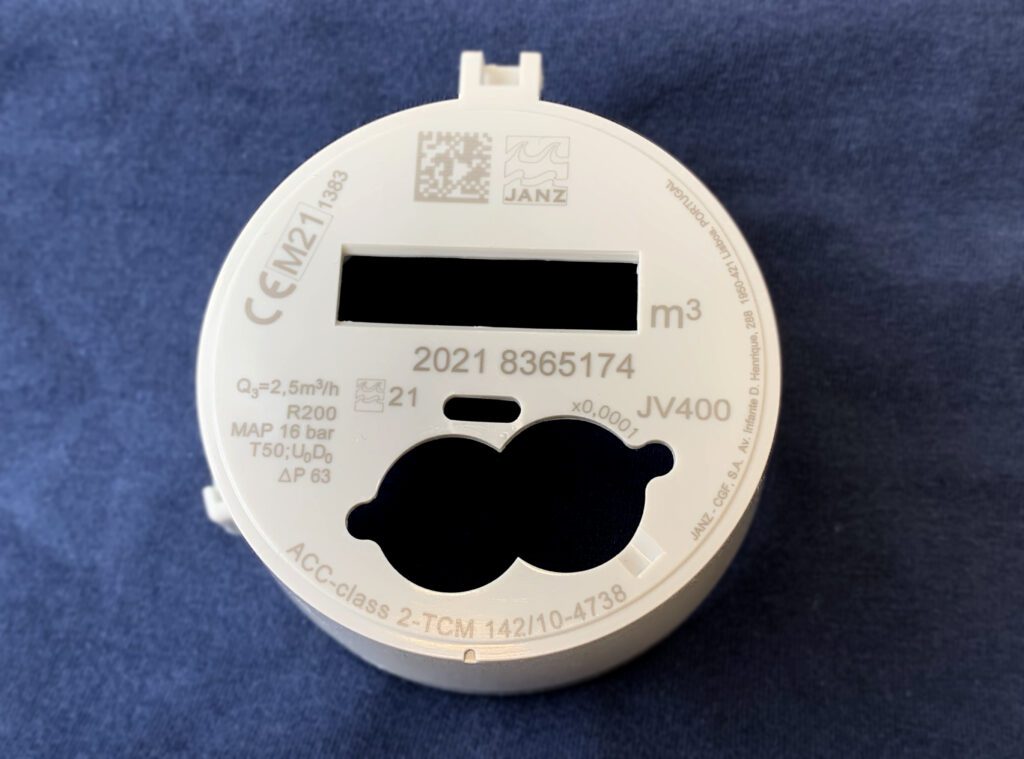
In today’s Application News, we highlight the use of transparent polycarbonate in the watchmaking industry. The marking process was carried out on both sides simultaneously, using our advanced 3D laser technology. This approach allowed for the creation of two focal distance positions: one for top-side marking and another for side marking. Laser equipment has proven to be an efficient solution, not only ensuring the durability of the marking while eliminating the need for inks or labels on the devices but also offering ease of installation on any production line, providing unparalleled versatility. This means that text changes can be made without interrupting the production process, and the system can be adapted to suit various models of meters and counters.

TECHNICAL DATA

  Laser:                                              SPA 2 by Macsa
Market:                                           Construction materials
Material:                                        Polycarbonate
Product:                                       Water meters
Application type:                      Marking
  marcaje láser policarbonatomarcaje láser policarbonato

Do you want more information about Laser Marking on construction products?

Leave us your details, and we'll get in touch with you shortly to find the best solution.

CONTACT US

marcaje láser policarbonato

MACSA APPLICATION

In the hydraulic sector, all types of meters and measuring devices, whether they are smart or traditional, require essential information on their top cover. This information is crucial for obtaining approval for use in drinking water systems, and it must be both legible and wear-resistant to ensure user safety. Laser marking on polycarbonate guarantees internal and external traceability in a sustainable way.

MACSA SOLUTION

In today's Application News, we highlight the use of transparent polycarbonate in the watchmaking industry. The marking process was carried out on both sides simultaneously, using our advanced 3D laser technology. This approach allowed for the creation of two focal distance positions: one for top-side marking and another for side marking. Laser equipment has proven to be an efficient solution, not only ensuring the durability of the marking while eliminating the need for inks or labels on the devices but also offering ease of installation on any production line, providing unparalleled versatility. This means that text changes can be made without interrupting the production process, and the system can be adapted to suit various models of meters and counters

TECHNICAL DATA

  Laser:                                              SPA 2 by Macsa
Market:                                           Construction materials
Material:                                        Polycarbonate
Product:                                 Water meters 
Application type:                     Marking
  marcaje láser policarbonato Laser Marking on Polycarbonate marcaje láser policarbonato Laser Marking on Polycarbonate

Do you want more information about Laser Marking on polycarbonate or other construction materials?

Leave us your details, and we'll get in touch with you shortly to find the best solution.
CONTACT US

MACSA APPLICATION

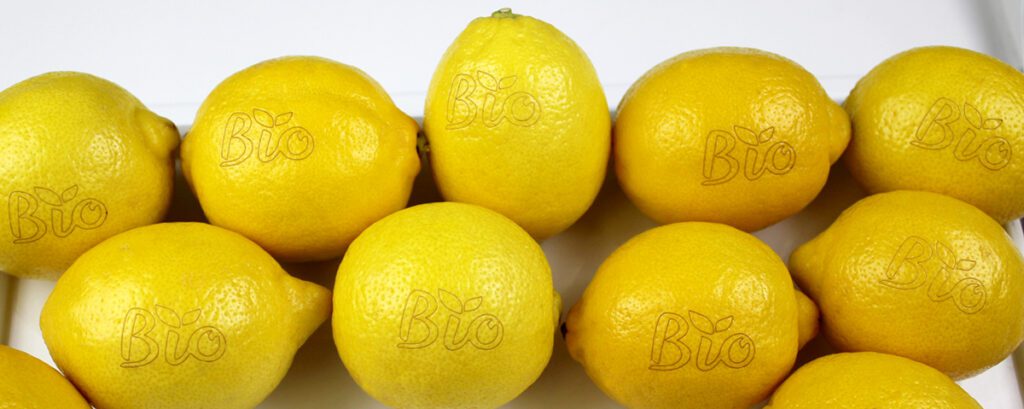
Marking on fruit is essential to ensure product traceability, detect incidents, and identify the product’s origin data. Identification is normally carried out by sticking adhesive labels directly onto the fruit or its packaging, with the risk of the labels becoming unstuck or unreadable before they even reach the consumer's home. However, with society and businesses becoming increasingly focused on sustainability, the most recommended system for this type of application is undoubtedly laser technology. Known in the industry as the “natural mark”, the philosophy of this new direct product coding originates from consumers' interest in returning to bulk or unit-based products, aiming at minimizing packaging while preserving the environment.

MACSA SOLUTION

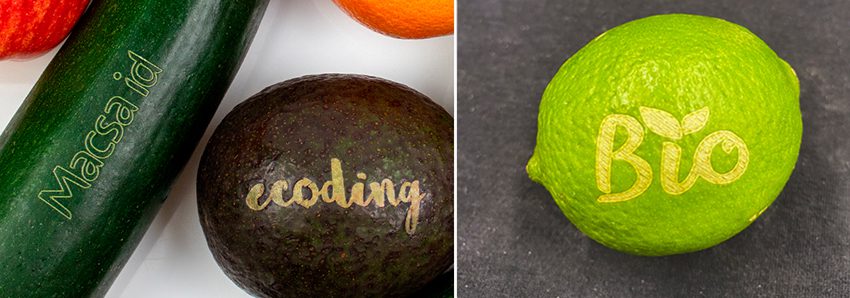
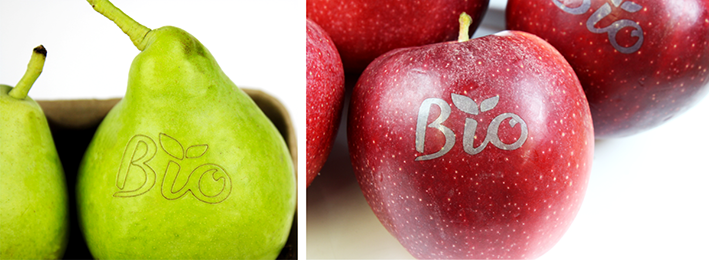
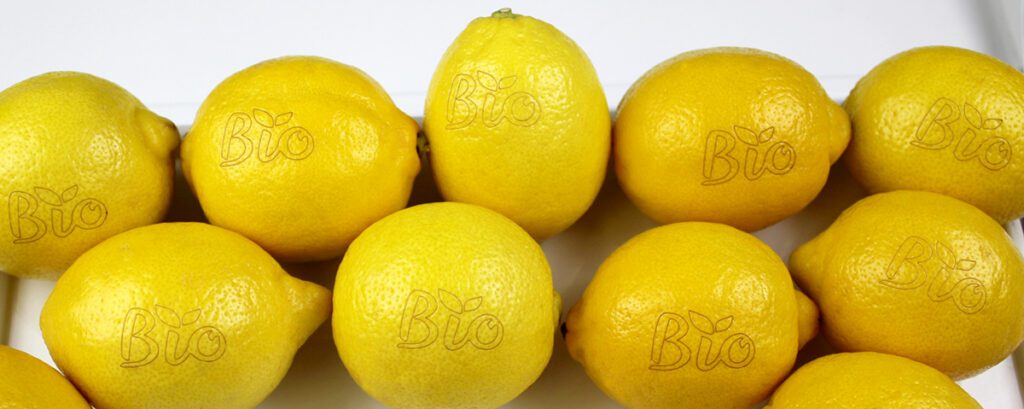
In this case, we have utilised laser technology to mark fruits such as oranges, lemons, limes, pears, and apples. This is a permanent marking process that doesn't affect the fruit's properties or pose any harm to the consumer's health. The laser removes a micrometric layer from the fruit's skin, achieving high-quality visibility and legibility in the marking, while leaving the edible part of the fruit intact.   marcaje láser en frutas   Additionally, laser technology enables us to mark very thin organic material, such as pear, apple, and cucumber skin, with high-definition markings. You can mark the data that best suits your needs, such as the expiry date, batch number, text, logos, or images. This not only enhances traceability but also creates a more sustainable brand image, which is environmentally friendly and respects people's health.   laser marking on fruit  
Laser:                                  SPA2 laser by Macsa
Market:                               Food - Fruit
Material:                            Organic skin
Product:                             Natural fruit
Application type:                  Marking on fruit

  codificación laser limones laser marking on fruit  

Are you looking to delve deeper into the numerous benefits and applications of laser marking technology when it comes to fruit, including its potential impact on quality control, traceability, branding, and environmental sustainability?

CONTACT US

We will be delighted to find the best solution for your needs.

marcaje láser frutas

MACSA APPLICATION

Marking on fruit is essential to ensure product traceability, detect incidents, and identify the product’s origin data. Identification is normally carried out by sticking adhesive labels directly onto the fruit or its packaging, with the risk of the labels becoming unstuck or unreadable before they even reach the consumer's home. However, with society and businesses becoming increasingly focused on sustainability, the most recommended system for this type of application is undoubtedly laser technology. Known in the industry as the “natural mark”, the philosophy of this new direct product coding originates from consumers' interest in returning to bulk or unit-based products, aiming at minimizing packaging while preserving the environment.

MACSA SOLUTION

In this case, we have utilised laser technology to mark fruits such as oranges, lemons, limes, pears, and apples. This is a permanent marking process that doesn't affect the fruit's properties or pose any harm to the consumer's health. The laser removes a micrometric layer from the fruit's skin, achieving high-quality visibility and legibility in the marking, while leaving the edible part of the fruit intact. marcaje láser en frutas   Additionally, laser technology enables us to mark very thin organic material, such as pear, apple, and cucumber skin, with high-definition markings. You can mark the data that best suits your needs, such as the expiry date, batch number, text, logos, or images. This not only enhances traceability but also creates a more sustainable brand image, which is environmentally friendly and respects people's health. laser marking on fruit    
Laser:                                  SPA2  laser by Macsa
Market:                               Food - Fruit
Material:                            Organic skin
Product:                             Natural fruit
Application type:                  Marking on fruit

  codificación laser limones

Are you looking to delve deeper into the numerous benefits and applications of laser marking technology when it comes to fruit, including its potential impact on quality control, traceability, branding, and environmental sustainability?

CONTACT US

We will be delighted to find the best solution for your needs.

horgrupan-marcaje
Discover this Macsa id case study on traceability in the food sector, a market in constant growth.     CONTENTS Introduction and history of Horgrupan The challenge Macsa ID’s solution A success video   Introduction and history of Horgrupan In the competitive world of bread, pastry...
Láser CO2 marcando cervezas
Macsa ID equipment is used to code and mark products made from a wide variety of materials, including paper, cardboard, plastics (PET, PVC, HDPE), glass, metals and wood. The messages and graphics that are achieved are high quality, at a minimum operating cost and at high speeds. Application News demonstrates a sample of products that are coded and marked with Macsa ID lasers, every day and around the world.

Macsa application

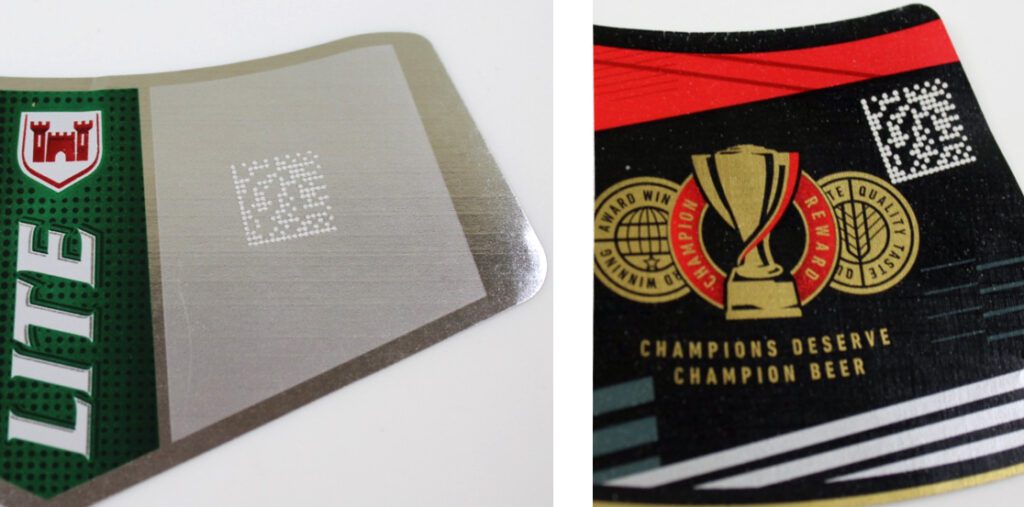
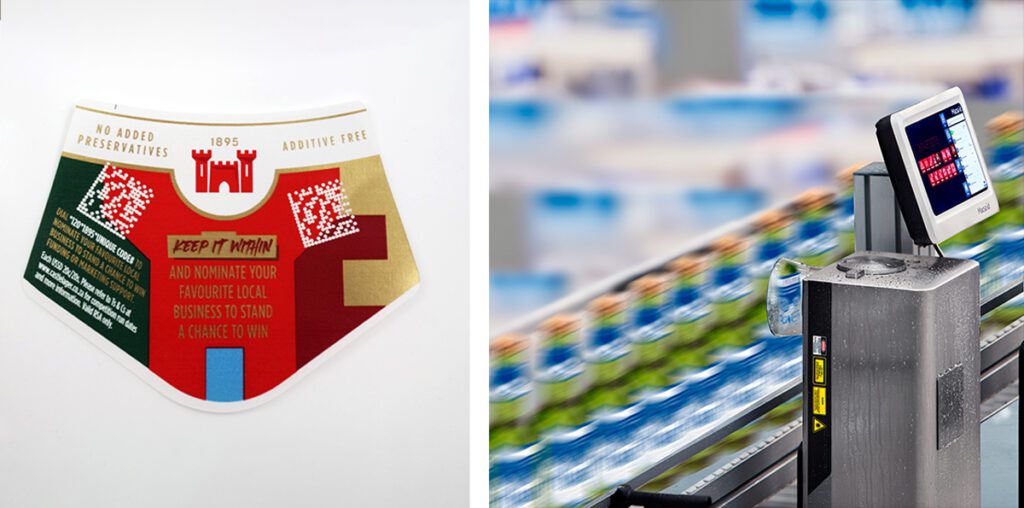
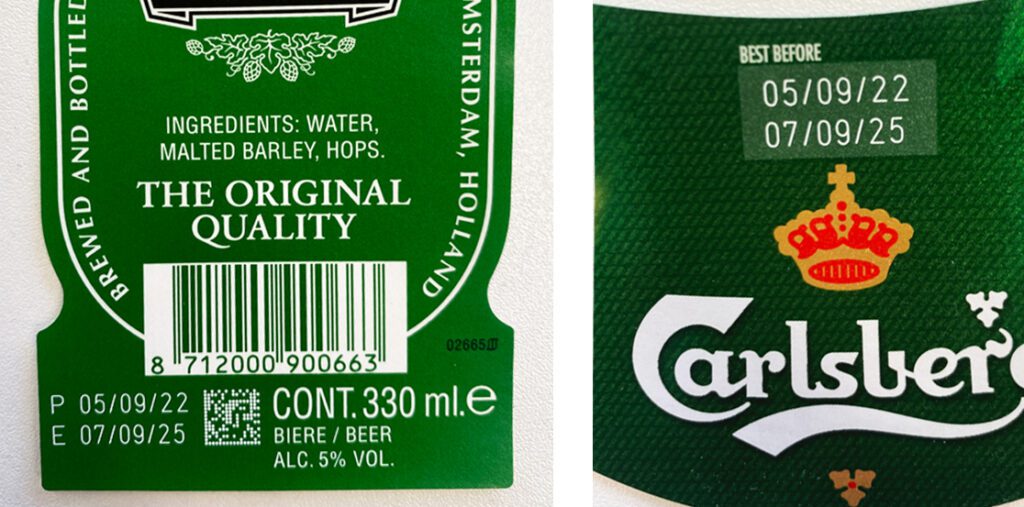
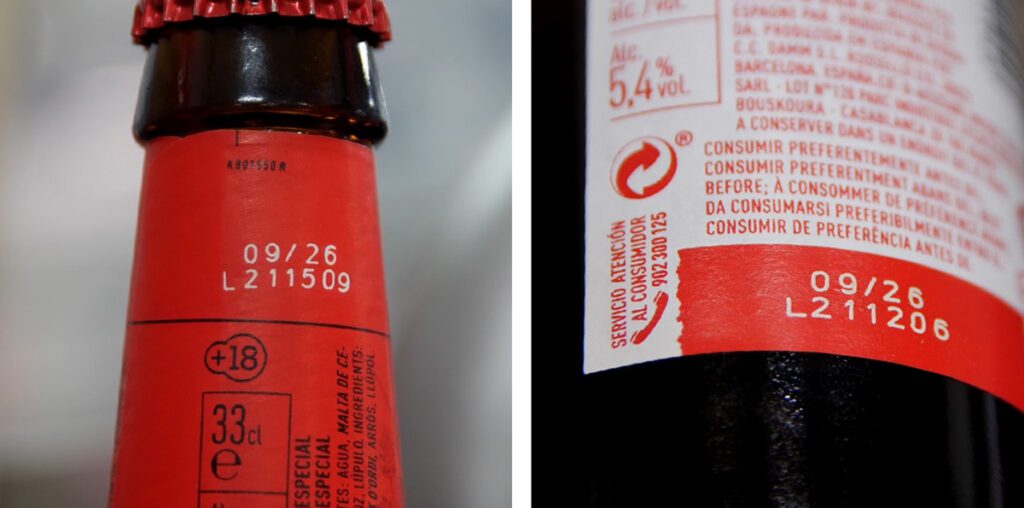
Commitment to the customer is becoming increasingly stronger in B2C companies and brands that reach the end consumer directly. Through a QR code on the packaging you can find out who is consuming your product, participating in contests or, in the very near future, who correctly recycles the material in said packaging. Marcaje láser etiquetas cervezas   The beverage market is one in which customer engagement is gaining more strength and where more and more QR codes are marked on containers, even going so far as to change the design of the label to reserve space for this marking. Marcaje láser etiquetas cervezas In this case, we have marked QR codes with a CO2 laser on labels of different colors. The laser reaction on the paper strips the paint from the paper, generating a high-quality and legible marking. With a 100x100 lens and a minimum power of 60W, we have achieved high-resolution QR code markings (expiration dates and lot numbers), generated at the high speed required by these production lines. The background color of the label enables the viewer to easily read the QR code and marking. For this reason, there is the possibility of creating an exclusive black reserve for marking and coding. Etiquetado cervezas  
Macsa solution

Laser:                              SPA 2 C by Macsa ID
Power:                            60W
Lens:                          100 x 100
Market:                      Beverages
Material:                   Paper
Product:                    Beer bottle labels
Application type:     Coding
Marking type:           Dynamic
Marking time:           0.051 scs.   etiquetado láser cervezas  

Would you like to learn more about the advantages of laser marking for beverages?

CONTACT US  
Macsa ID equipment is used to code and mark products made from a wide variety of materials, including paper, cardboard, plastics (PET, PVC, HDPE), glass, metals and wood. The messages and graphics that are achieved are of high quality, a minimal operating cost and at high speeds. Application News demonstrates a sample of products that are coded and marked with Macsa ID lasers, every day and around the world.

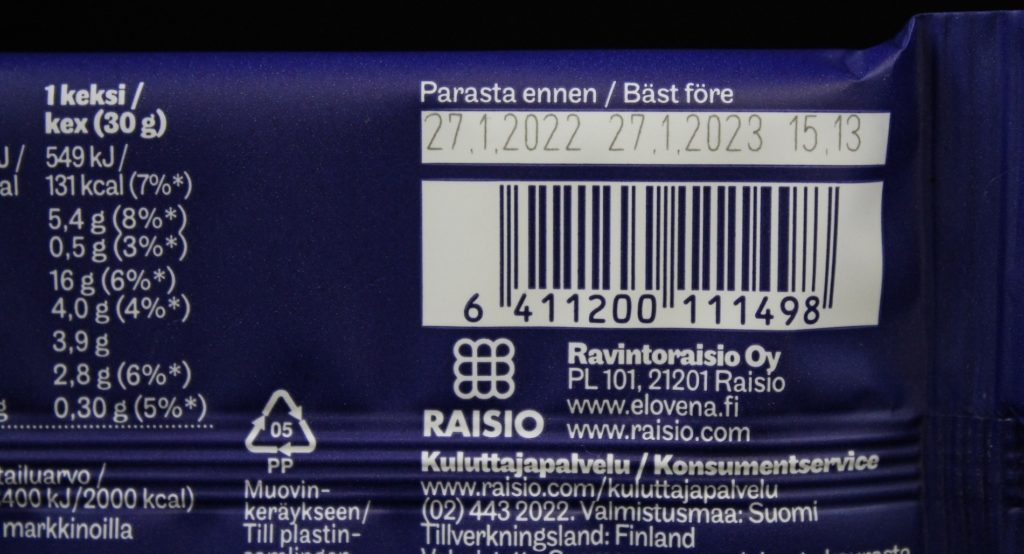
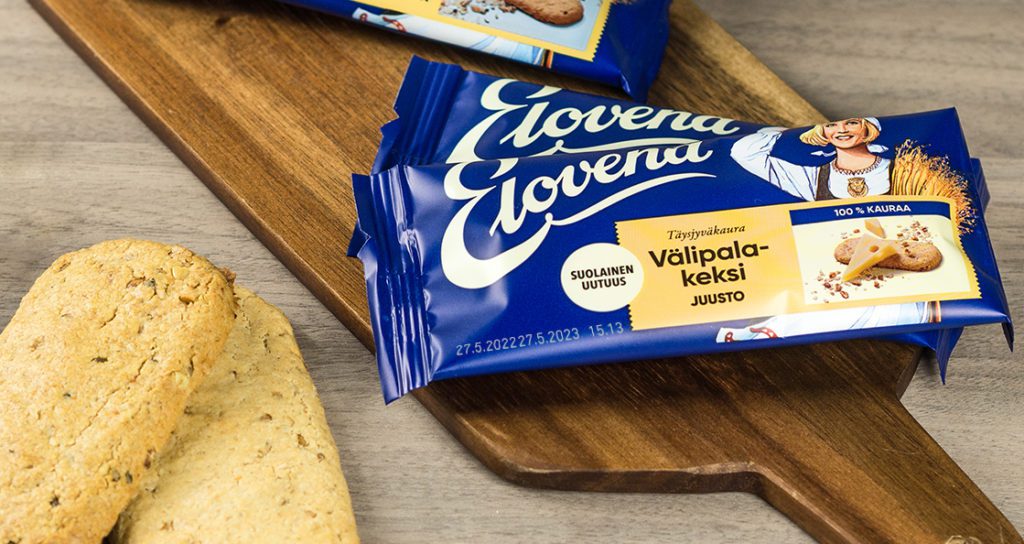
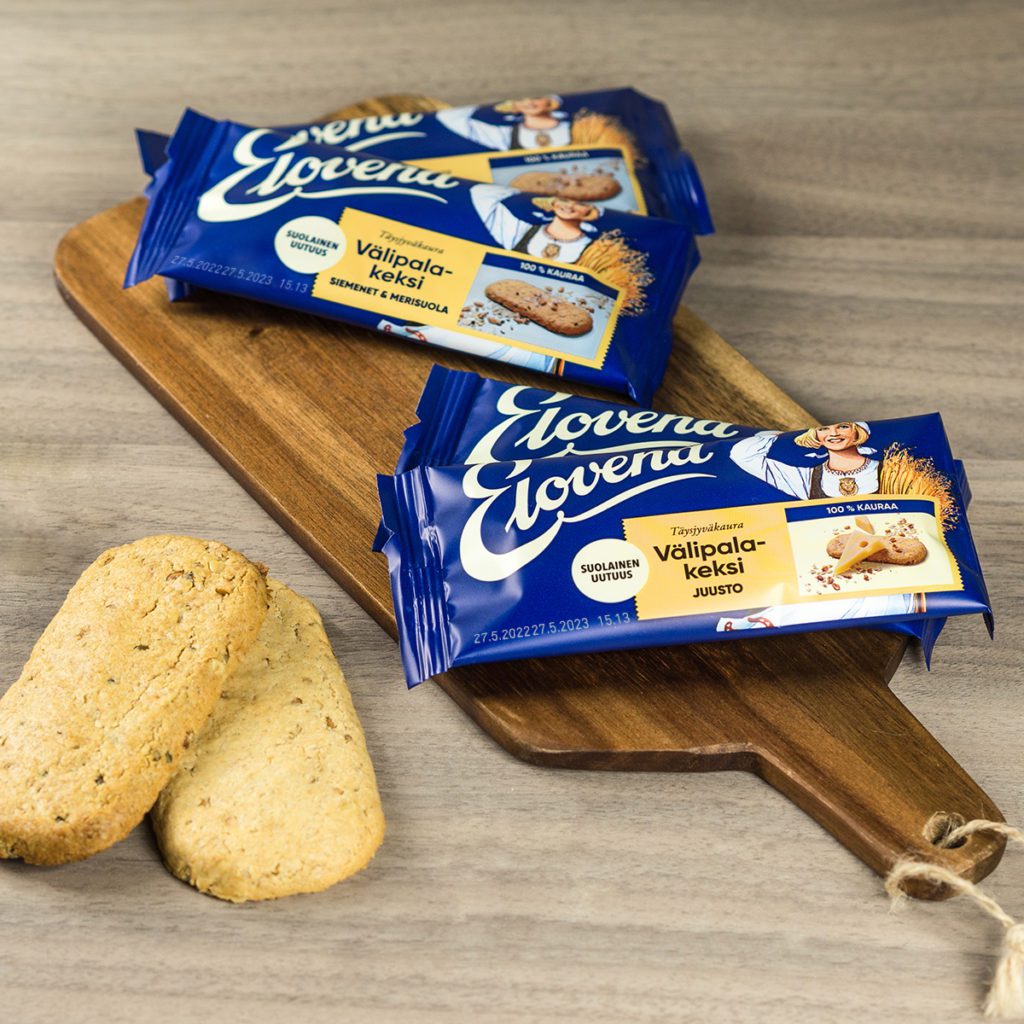
Every time you go to the supermarket to buy some type of "snack" you notice the number of different markings that the packaging contains. Each with a particular characteristic, every marking is adapted to its production speed, pigment colour and will even directly depend on the interior content among others. Today's Application News focuses on how these markings can be carried out and how we adapt what we base the marking parameters on by using the example of a marking made dynamically on the cookie "snack" packaging.   Laser coding on food film


Laser coding on food film

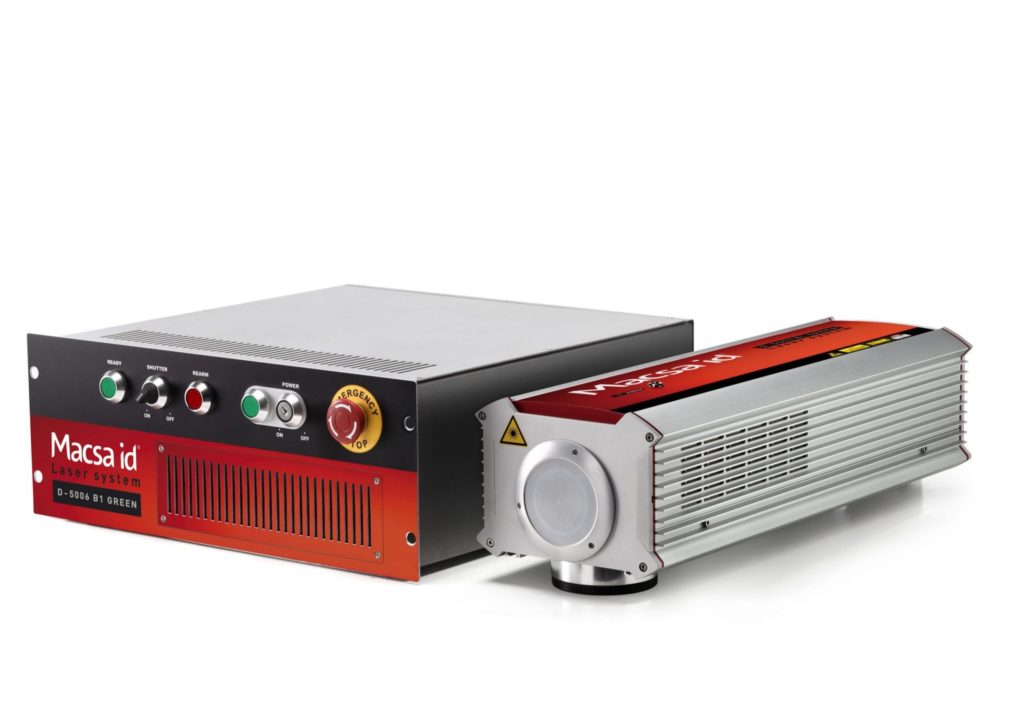
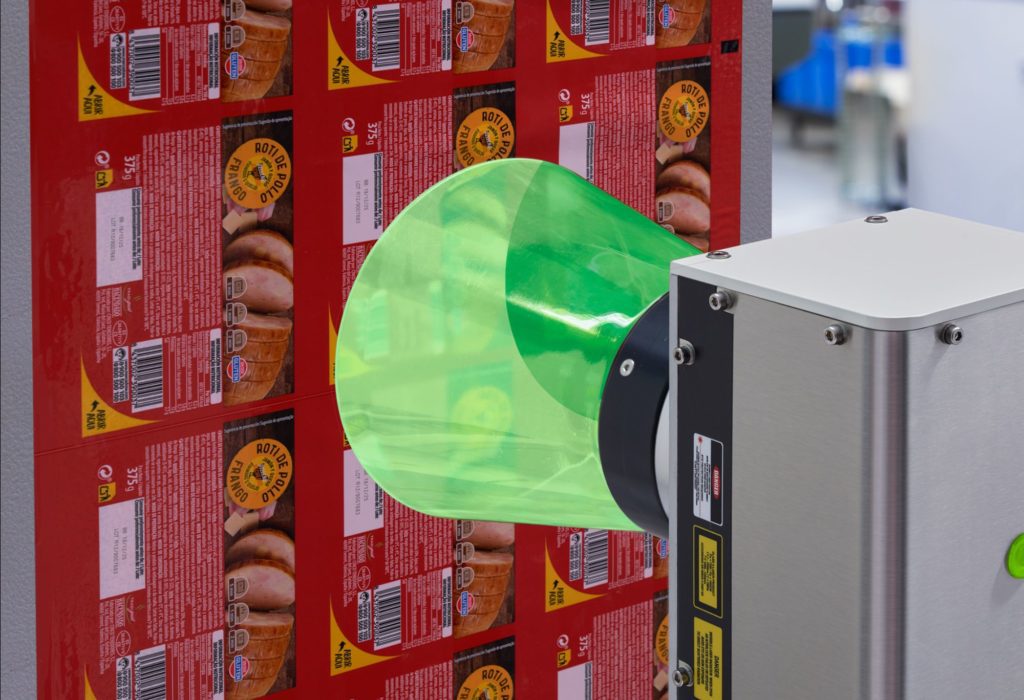
In this type of packaging, it is common to mark a manufacturing date and an expiration date that are easy to read by the consumer when the information is required. To do this, the design of the product must be taken into account so that the marking does not interfere with the visual composition of the packaging. The most suitable laser for today's application is a Macsa id D-5005 Green of 5W power, with a 100x100mm lens. As shown in the photos, it is capable of obtaining the right contrast so as not to damage the container (barrier material) even on irregular surfaces (variable focal length) and with different pigment colours.   Laser coding on food film  

Technical Data

  • Laser: Macsa ID D-5005 Green
  • MarketFood
  • Application Type: Marking
  • Product:  Biscuit packaging
  • MaterialFilm
  • Marking Type: Dynamic
  • Marking time: 0,1 s
Laser coding on food film Laser coding on food film  

If you are looking for the best laser solution to mark on film, do not hesitate to contact us:
CONTACT US


Download a brochure

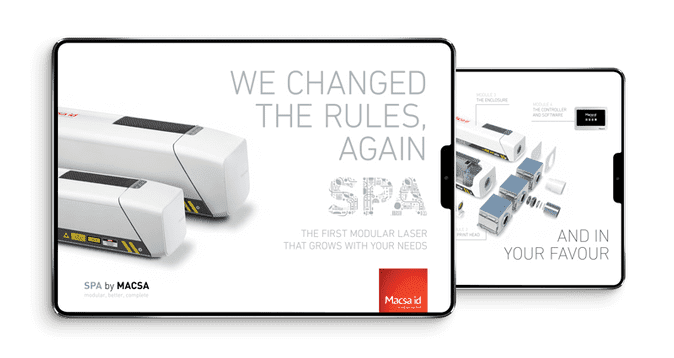
Take away detailed information for our SPA range. If you provide your email address, we’ll send contact details of your personal product advisor for any future questions.