We’re refreshing our website so you might notice some changes as they go live, but everything you need is still here.





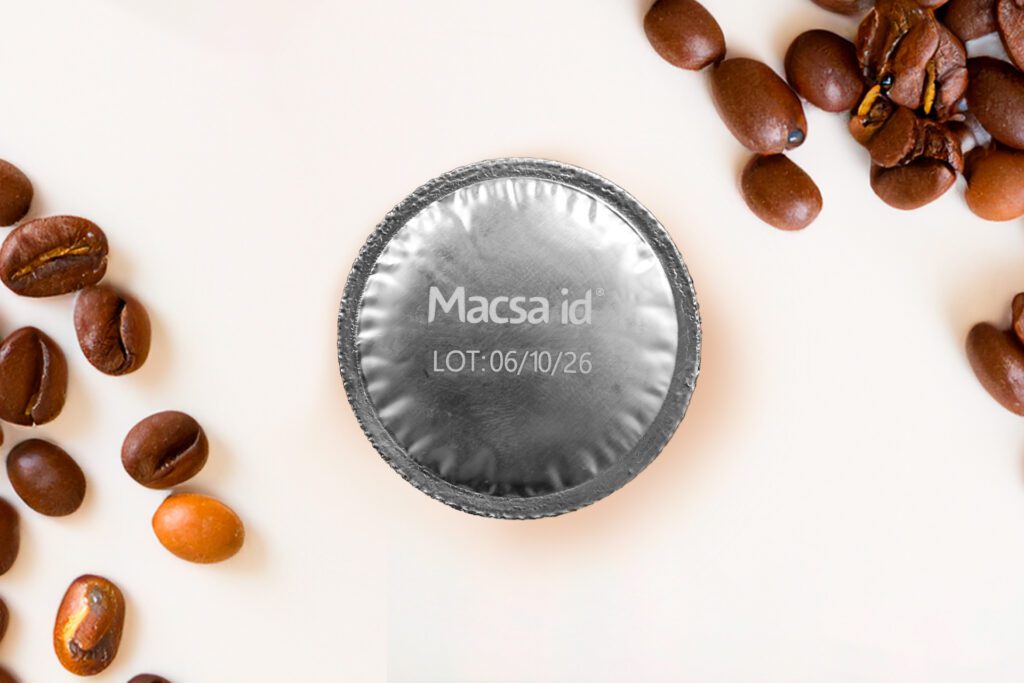
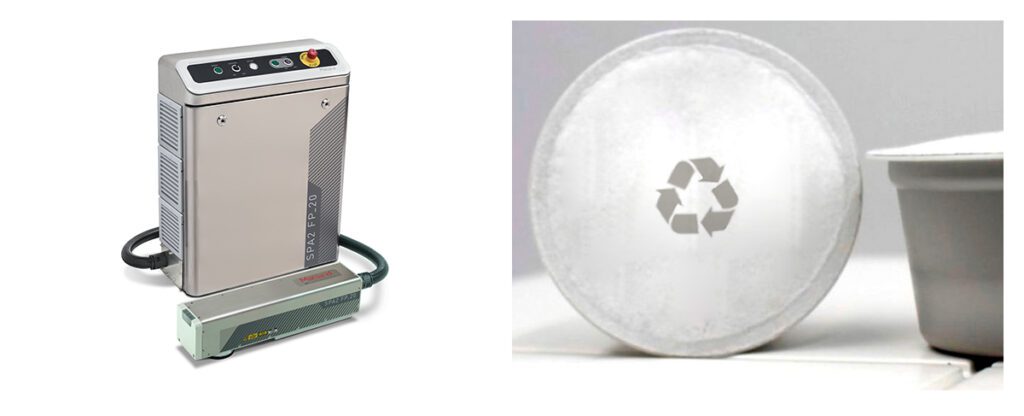
Do you want more information about Laser marking on food products? Leave us your details and we will contact you shortly to find the best solution.

Do you want more information about Laser marking on coffee capsules or similar products? Leave us your details and we will contact you shortly to find the best solution.
Renowned for its outstanding impact resistance, polycarbonate stands out as a material capable of withstanding impact without easily breaking or chipping. This makes it an excellent choice for applications in optics, automotive, and even glassware.
Marking on lenses is important for providing essential information about the product's features and performance, as well as for complying with industry regulations and standards.
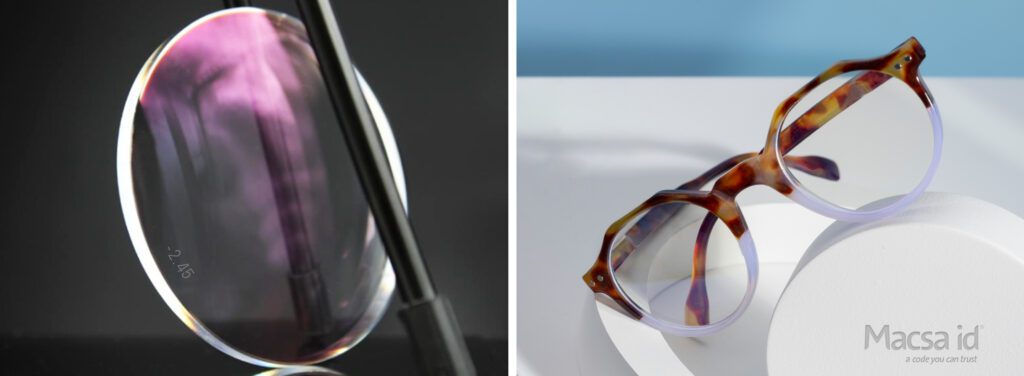
In this case we used a Macsa CO2 laser to mark on eyeglass lenses. Notably, the peculiarity of this marking is its invisibility to the naked eye, only becoming legible when light is applied from behind. This type of application is especially useful in scenarios where internal coding is necessary for product traceability, without the consumer being aware of the marking.
Being a non-contact process, laser marking on polycarbonate lenses ensures the material's integrity, avoiding deterioration and the generation of dust particles that would require cleaning afterwards. The reaction of the CO2 laser with polycarbonate produces high-quality, high-definition, precise markings, allowing for customisation as well as the flexibility to change the marking data.
Laser: SPA2
Market: Medical devices
Material: Polycarbonate
Product: Spectacle lens
Application Type: Marking

Renowned for its outstanding impact resistance, polycarbonate stands out as a material capable of withstanding impact without easily breaking or chipping. This makes it an excellent choice for applications in optics, automotive, and even glassware.
Marking on lenses is important for providing essential information about the product's features and performance, as well as for complying with industry regulations and standards.
In this case we used a Macsa CO2 laser to mark on eyeglass lenses. Notably, the peculiarity of this marking is its invisibility to the naked eye, only becoming legible when light is applied from behind. This type of application is especially useful in scenarios where internal coding is necessary for product traceability, without the consumer being aware of the marking.
Being a non-contact process, laser marking on polycarbonate lenses ensures the material's integrity, avoiding deterioration and the generation of dust particles that would require cleaning afterwards. The reaction of the CO2 laser with polycarbonate produces high-quality, high-definition, precise markings, allowing for customisation as well as the flexibility to change the marking data.
Laser: SPA2
Market: Medical devices
Material: Polycarbonate
Product: Spectacle lens
Application Type: Marking
Do you want to know more about the advantages of laser marking on lenses?
Do you want more information about Laser Marking on construction products?
Leave us your details, and we'll get in touch with you shortly to find the best solution.

Do you want more information about Laser Marking on polycarbonate or other construction materials?
Leave us your details, and we'll get in touch with you shortly to find the best solution.