We’re refreshing our website so you might notice some changes as they go live, but everything you need is still here.


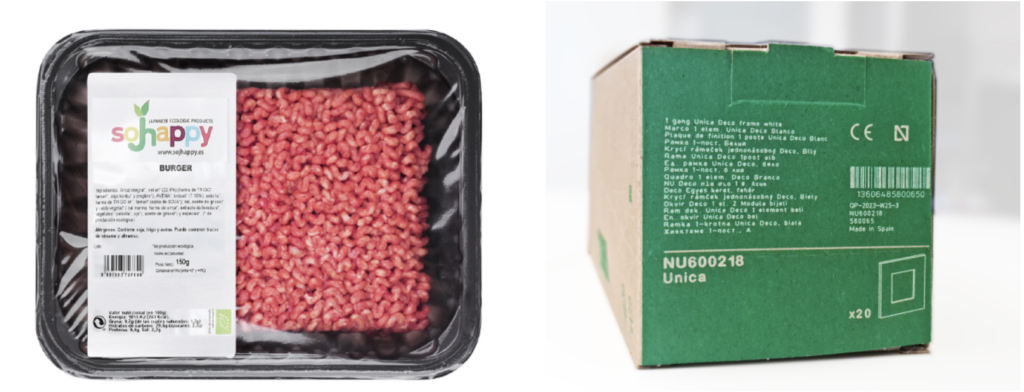
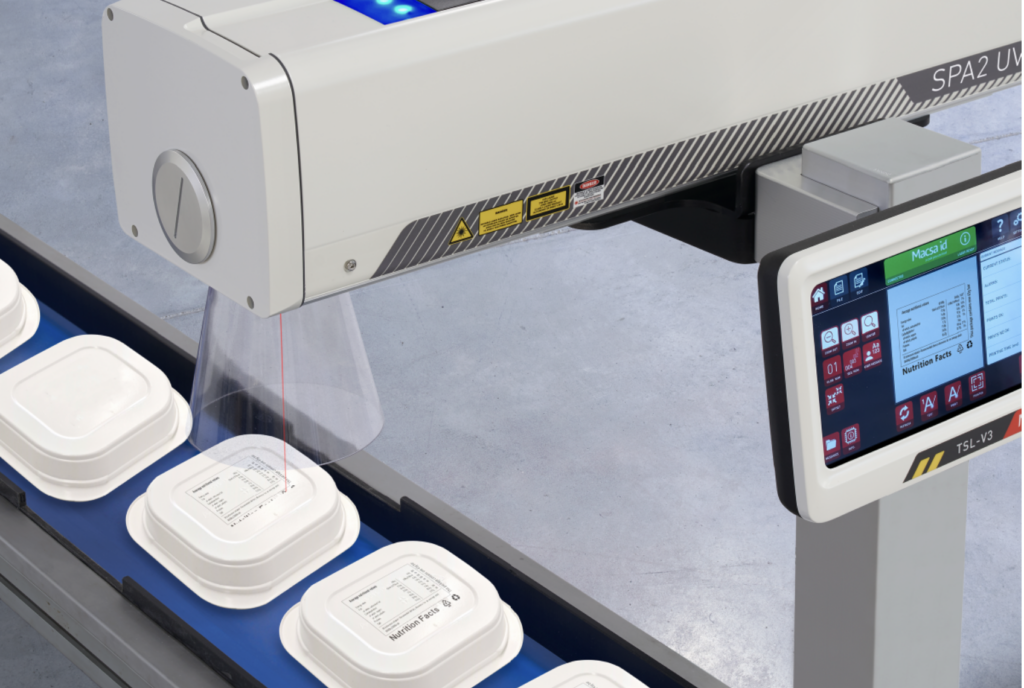
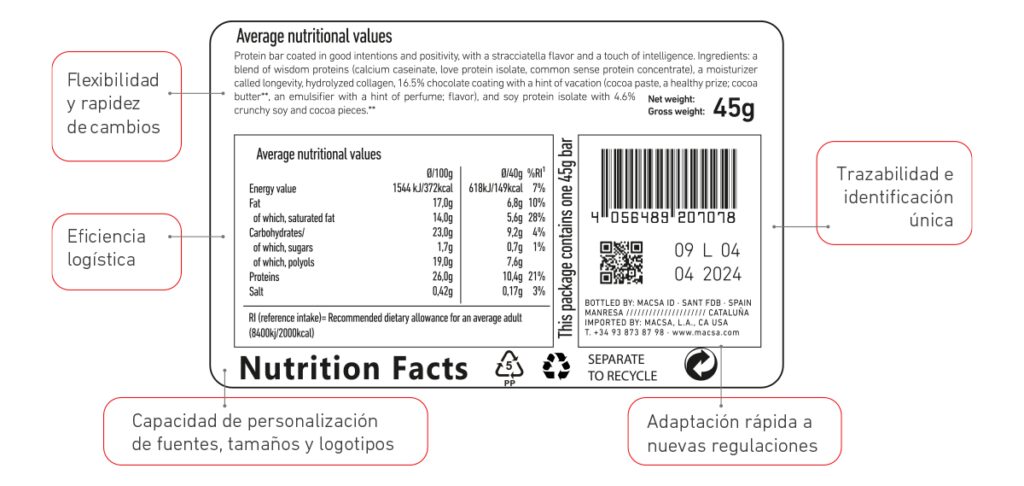 In today's examples, Macsa id has showcased its prowess in various coding technologies, reaffirming its commitment to excellence in marking:
 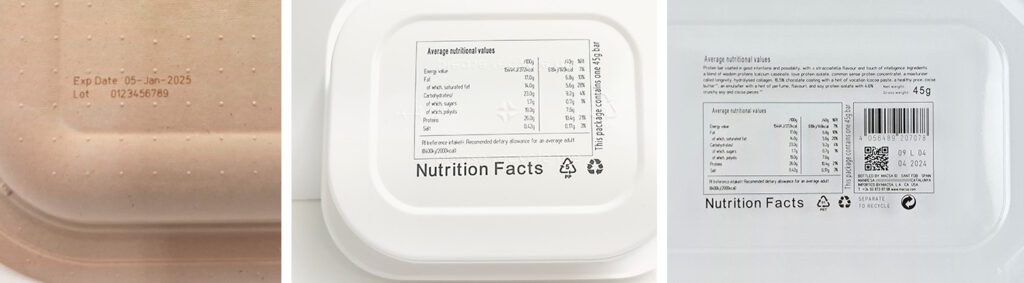 Macsa's applications encompass comprehensive labels, featuring text, barcodes, logos, and QR codes, providing an overall solution for product identification without altering the aesthetic.In conclusion, the adoption of laser technology for direct product marking brings significant advantages, including improved logistics efficiency, enhanced traceability, cost reduction, and minimized waste. This innovation aligns with industry demands for more sustainable and efficient solutions in supply chain management.s of the transparent plastic.
Do you want to know more about the advantages of laser marking on cardboard and plastic?

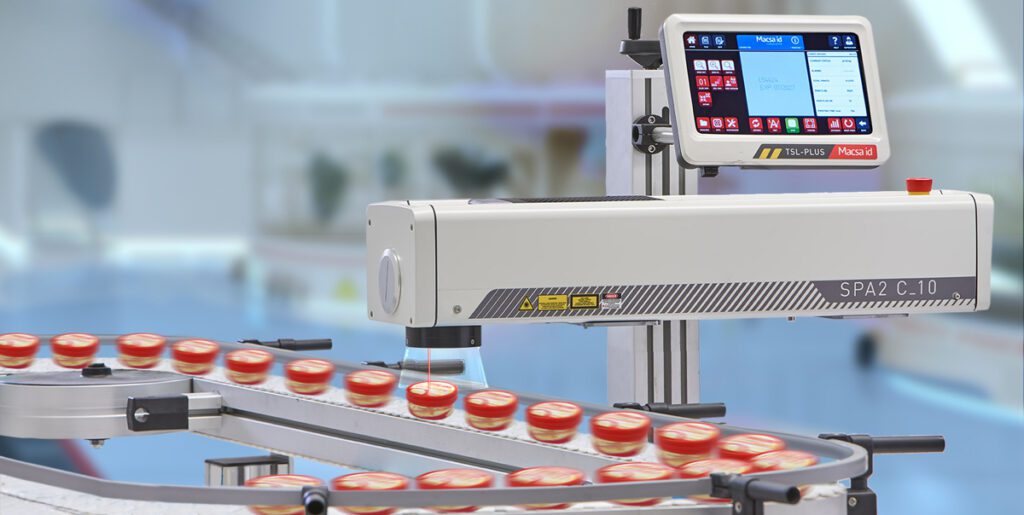 Laser marking on cardboard offers significant advantages, such as precise coding on high-peed production lines, high accuracy in the reproduction of details, durability of the marking, and the ability to work with various types of cardboard, including coated or specially finished ones. Additionally, laser technology is environmentally friendly as it requires no consumables and generates zero waste, contributing to efficient and eco-conscious marking. The non-contact marking process also prevents the wear and deterioration of the packaged product.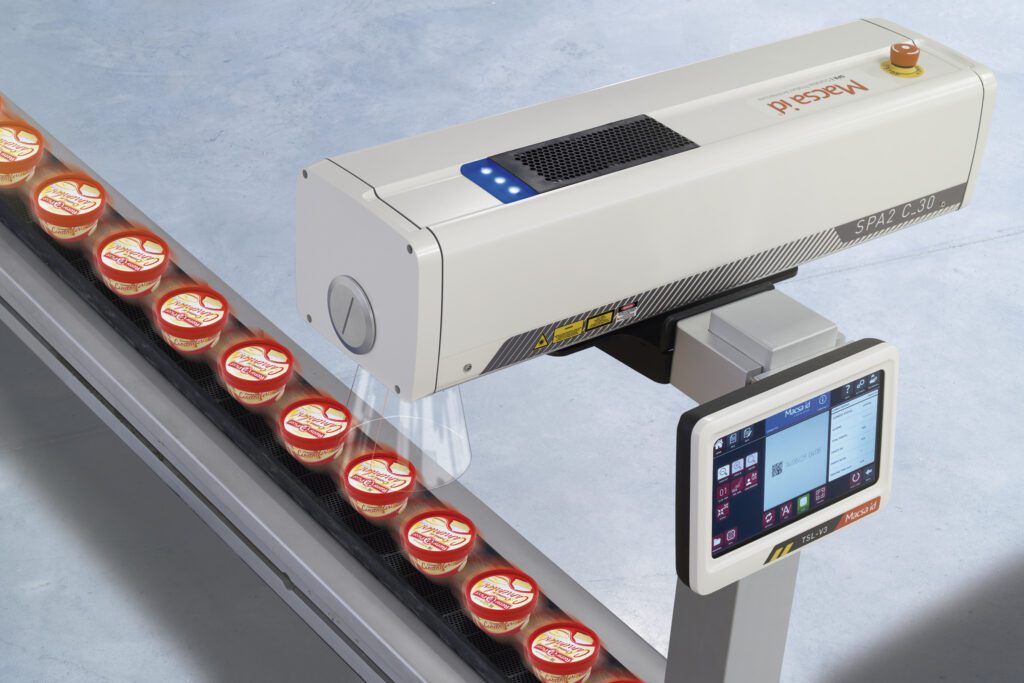
Do you want to know more advantages of laser marking on cardboard pots? Tell us your cardboard coding needs

In the pharmaceutical field, traceability and coding have become fundamental pillars to guarantee the quality and safety of products. The regulations regarding coding in the pharmaceutical sector are very strict, often undergoing frequent changes to align with market needs and ensure consumer safety.
Amidst this dynamic environment, effective traceability, which entails monitoring the supply chain from manufacturing to distribution, is enhanced by the accurate coding of each unit. Laser technology has transformed this process, providing an efficient and accurate solution that can adjust to the dynamic nature and requirements of the pharmaceutical sector.
In today's application news, fibre laser technology has been used to mark blister packs on printed aluminium, delivering a comprehensive and effective solution. This innovative approach ensures simultaneous marking of text and QR codes with unparalleled accuracy. Macsa's fibre laser guarantees flawless readability, ensuring the legibility of critical information on each product unit and is ideal for applications for metals and reflective materials.
This solution not only increases efficiency on the production line, but also improves traceability by providing coded data that is easily traceable at every stage of the process, meeting the most demanding standards of the pharmaceutical industry.
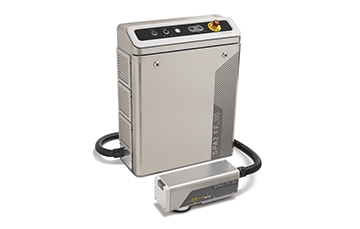
Do you want to know more about the advantages of fibre laser marking on printed aluminium blister?


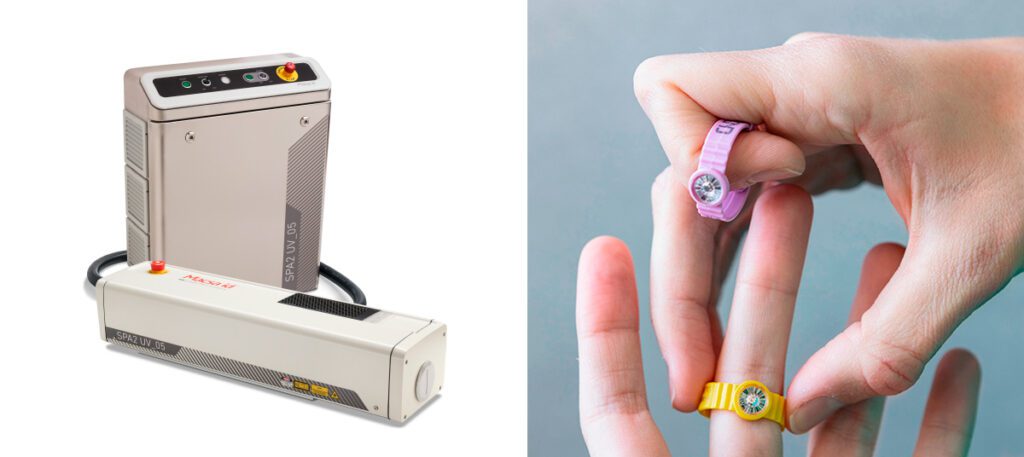 Noteworthy for its exceptional marking quality, UV technology ensures unparalleled accuracy, ensuring sustained legibility over time for a diverse range of markings, including datamatrix, QR codes, alphanumeric, and others.
Do you want to know more about the advantages of PVC laser marking?

In the world of jewellery, packaging serves as more than just a functional enclosure; it is an essential aspect of the customer's journey, conveying the inherent value of the jewellery and contributing to their overall experience. The careful presentation of a jewel through packaging not only highlights its beauty, but also reflects the brand and its commitment to quality.
Laser technology emerges as an innovative solution capable of fulfilling both aesthetic and functional demands in packaging design. From an aesthetic perspective, lasers allow for precise and intricate engraving on various materials, imparting a unique and sophisticated touch to the packaging of items like jewellery or premium perfumes.
At the same time, laser technology proves to be an effective solution to guarantee the authenticity and traceability of products through the application of unique codes.
In today's Application News a cardboard jewellery box coated with paint has been marked with a CO2 laser. These lasers emit a beam of infrared light that is absorbed by the cardboard. When the laser energy hits the surface of the material, it causes localised heating. The ablation process removes the paint, leaving the cardboard's colour on the surface and creating a distinctive, contrasting mark.
This results in a permanent mark on the carton featuring specific details, making this technology ideal for simple applications such as coding, or more complex markings such as logos, images or decorative elements commonly found in perfumery or jewellery packaging, where precision and aesthetic quality are paramount. In addition, the speed and versatility of CO2 laser technology makes it an efficient choice for carton marking in industrial and production environments.
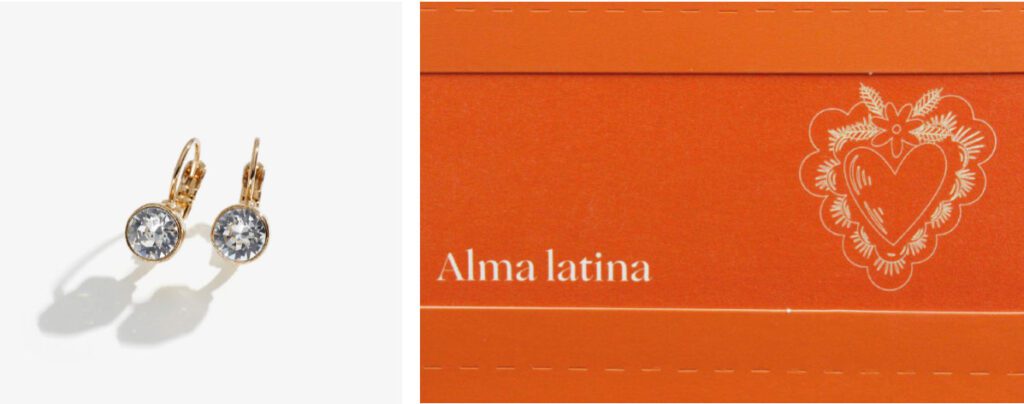
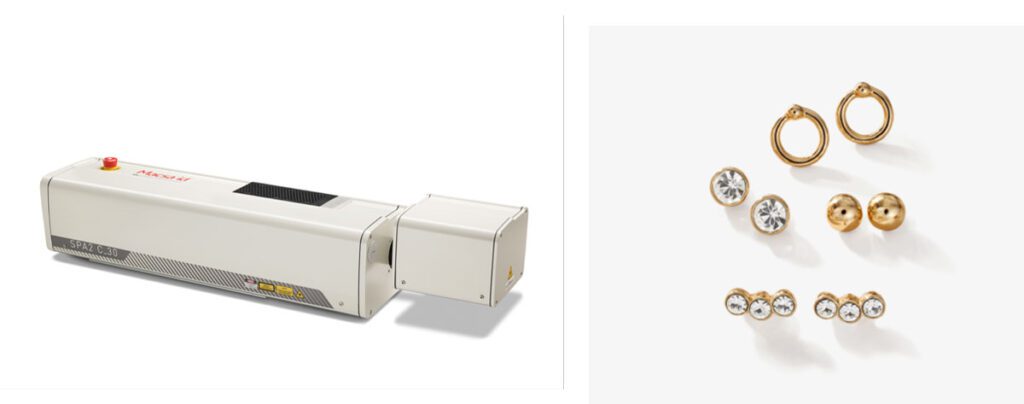
Do you want more information about laser marking on cardboard jewellery boxes?
Leave us your details and we will contact you shortly to find the best solution.